August 22, 2026

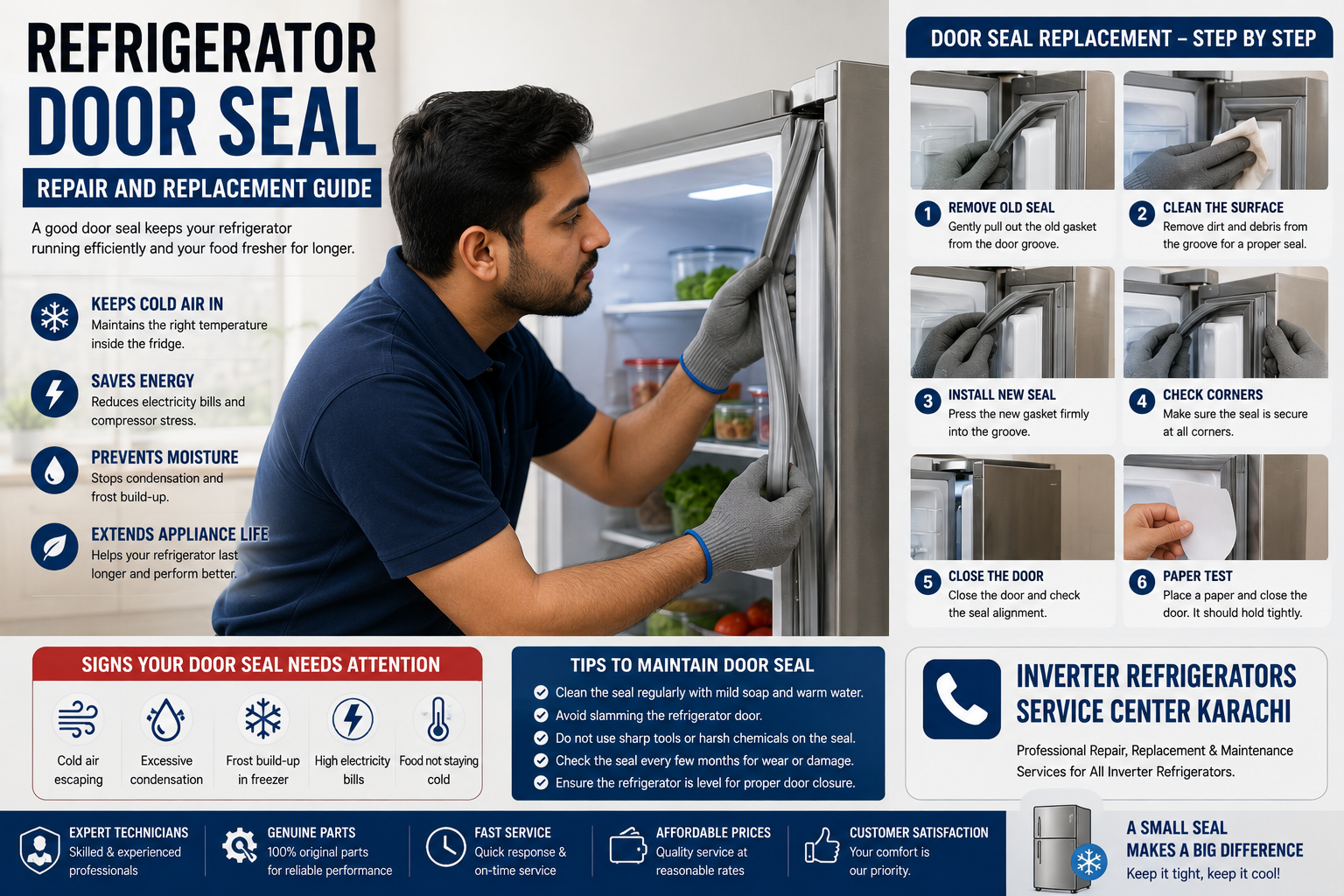
A refrigerator door seal, also called a gasket, plays an important role in keeping cold air inside the appliance. When the seal becomes loose,...


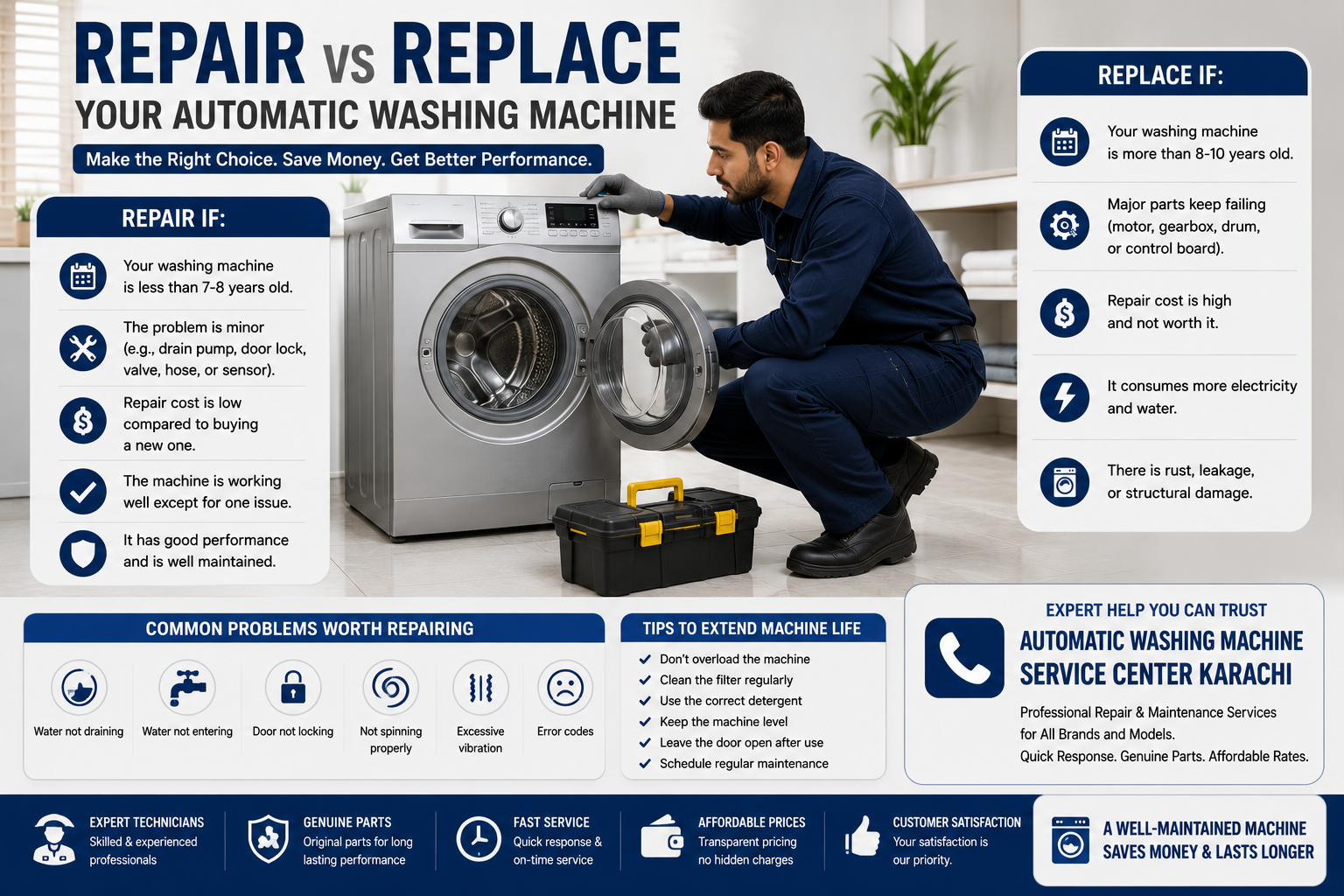
An automatic washing machine is a major part of everyday household life. When it starts making unusual noises, leaking water, stopping during cycles, or failing to spin properly, many homeowners immediately wonder whether they should repair the machine or replace it.
The right choice depends on the machine’s age, the type of fault, repair cost, energy efficiency, and overall condition. A simple issue such as a blocked drain pump or worn door seal may be worth repairing, while repeated major failures can make replacement a better long-term investment.
If you’re unsure what to do, a professional Automatic Washing Machine Service Center Karachi can inspect the appliance and help you make a practical decision.
Repair is often the better option when the washing machine is relatively new and the problem involves one replaceable component.
If your automatic washing machine is still in good overall condition, replacing it because of one minor fault may not be economical.
Common repairable problems include:
For example, replacing a worn door seal is usually much more practical than buying an entirely new washing machine.
Before replacing the machine, ask for a professional repair estimate.
If the repair is considerably less expensive than purchasing a comparable new washing machine, repair can be the more sensible choice.
If the washing machine cleans clothes properly, completes cycles normally, and has no major rust or structural damage, repairing a specific faulty component can extend its useful life.
A single component failure doesn’t necessarily mean the whole appliance is reaching the end of its life.
Technicians can often replace parts such as:
A proper diagnosis helps avoid unnecessary replacement.
Sometimes replacing an automatic washing machine is more economical than continuing to repair it.
Older machines may experience more frequent failures because multiple components begin wearing out at the same time.
If the appliance is old and requires repeated repairs, investing in a newer, more efficient model may provide better long-term value.
Repeated motor, transmission, drum, or control-board problems can become expensive.
If one major component fails shortly after another repair, consider the total repair cost rather than looking at each repair separately.
Compare the estimated repair cost with the price of a suitable replacement machine.
A high repair bill on an older washing machine may not make financial sense, particularly if additional components are already showing signs of wear.
Surface scratches are usually not a major concern, but severe rust around the drum, cabinet, frame, or structural areas can be a reason to consider replacement.
Structural damage can also lead to vibration, leakage, and safety concerns.
This can be caused by a blocked inlet filter, faulty water valve, low water pressure, or a damaged hose.
These problems are often repairable.
A clogged drain filter or pump can prevent water from leaving the drum.
Cleaning the filter or replacing a faulty drain pump may solve the problem.
A faulty door-lock mechanism can prevent the washing cycle from starting.
Replacing the lock or inspecting the wiring may restore normal operation.
Unbalanced loads, improper leveling, worn shock absorbers, or suspension components can cause excessive movement.
Correctly balancing the machine and replacing worn components can often fix the issue.
A spin problem can have several causes, including an unbalanced load, motor issue, belt problem, drain blockage, or control fault.
Professional diagnosis is useful because the visible symptom doesn’t always reveal the actual cause.
Some faults can be expensive and should be evaluated based on the washing machine’s age and overall condition.
The motor is a critical component. If the machine is relatively new, motor repair or replacement may be worthwhile.
For an older machine with several existing faults, replacement may make more sense.
Modern automatic washing machines rely heavily on electronic control boards.
A faulty PCB can sometimes be replaced, but the cost should be compared with the appliance’s age and replacement price.
A damaged bearing may produce loud grinding or rumbling noises during the spin cycle.
If the drum assembly or bearings require extensive work, compare the repair cost with the price of a new machine before proceeding.
A newer machine with a minor fault is generally a good repair candidate.
An older machine with repeated breakdowns may be better replaced.
Think about how often you’ve repaired the machine during the past year.
If several different components have failed recently, another major repair may only provide a short-term solution.
Newer washing machines may offer improved energy and water efficiency depending on the model.
If your current machine consumes excessive electricity or water, upgrading may provide long-term savings.
Check the:
If most components are still in good condition, repair may be worthwhile.
It’s difficult to decide between repair and replacement based only on a symptom.
For example, a washing machine that won’t spin could have a simple drainage blockage or a more serious motor or control problem.
A professional Automatic Washing Machine Service Center Karachi can inspect the appliance, identify the actual fault, and provide a repair estimate before major work is performed.
This helps you avoid replacing an appliance that could have been repaired affordably.
Overloading puts additional stress on the motor, bearings, and suspension system.
Follow the manufacturer’s recommended load capacity.
Regularly cleaning the drain filter can prevent blockages and protect the pump.
For machines that require high-efficiency detergent, use the recommended type and quantity.
Too much detergent can create excessive foam and leave residue inside the machine.
An uneven washing machine can vibrate excessively during the spin cycle.
Adjust the leveling feet and ensure the appliance sits firmly on the floor.
For front-load machines, leaving the door slightly open after a cycle can help the drum and gasket dry and reduce unpleasant odors.
Contact an Automatic Washing Machine Service Center Karachi if your appliance:
Professional inspection is especially important when electrical components, motors, control boards, or internal wiring are involved.
Deciding whether to repair or replace an automatic washing machine depends on the appliance’s age, repair cost, condition, efficiency, and repair history.
Minor problems such as drainage blockages, faulty valves, door locks, hoses, and seals are often worth repairing. However, an older machine with repeated major failures, expensive repairs, or serious structural damage may be better replaced.
If you’re unsure about the right choice, professional diagnosis from an Automatic Washing Machine Service Center Karachi can help you understand the actual problem and choose the most cost-effective solution.
It depends on the machine’s age and the type of fault. Minor repairs are usually more affordable, while repeated major repairs on an older machine may make replacement a better option.
Not necessarily. If the machine is relatively new and otherwise in good condition, motor repair or replacement may be worthwhile. For an older appliance with several problems, replacement may be more practical.
Frequent breakdowns, expensive repairs, structural damage, poor efficiency, and multiple failing components are signs that replacement may be worth considering.
Contact a professional when your washing machine has persistent drainage or spinning problems, unusual noises, water leakage, error codes, electrical issues, or repeated breakdowns. A technician can diagnose the fault and advise whether repair or replacement is the better choice.
A refrigerator door seal, also called a gasket, plays an important role in keeping cold air inside the appliance. When the seal becomes loose,...
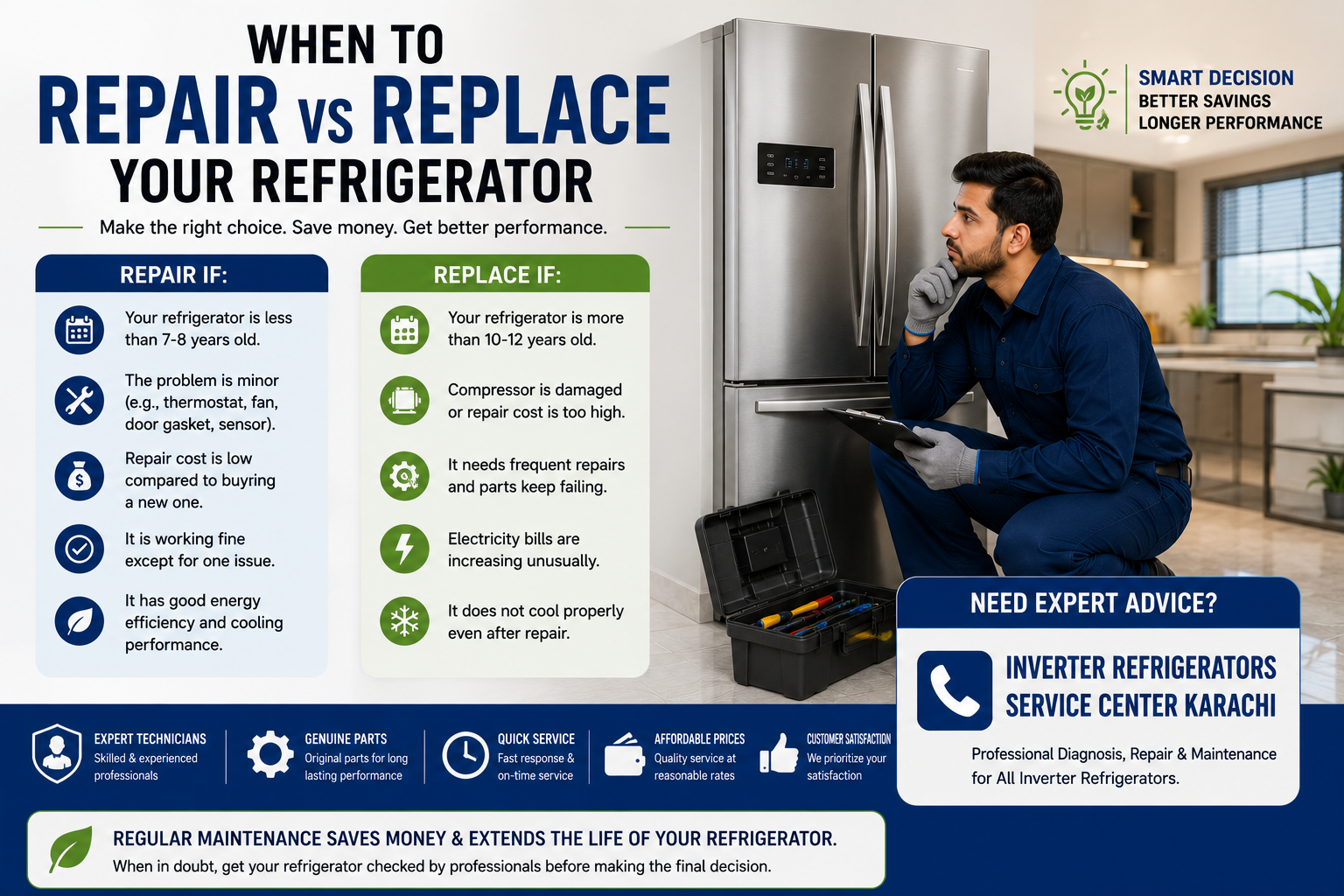
A refrigerator is one of the most important appliances in your home, and when it starts having problems, the big question is: Should you...
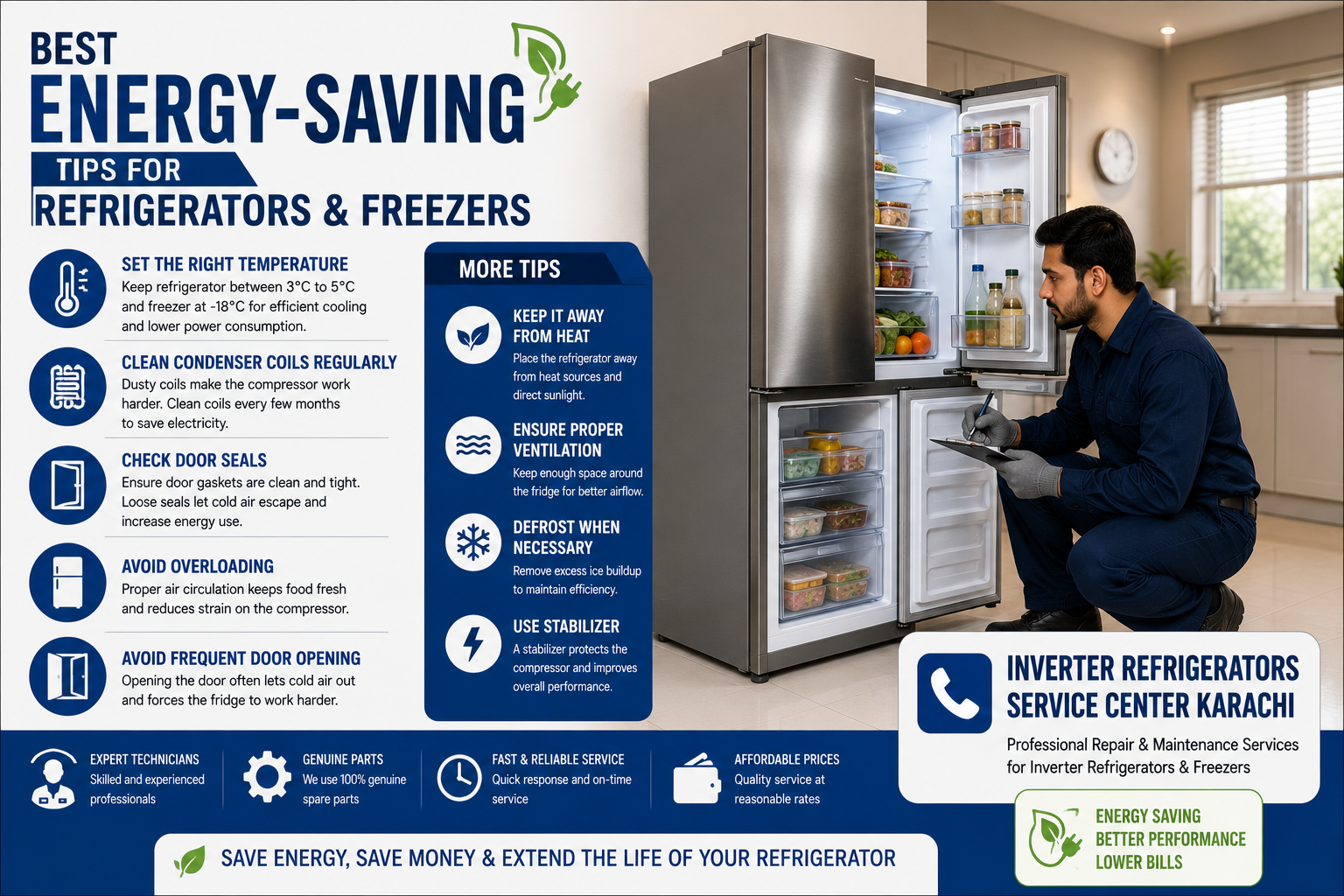
Refrigerators and freezers run continuously, making them some of the most important appliances in any home. Because they operate 24 hours a day, poor...