August 22, 2026

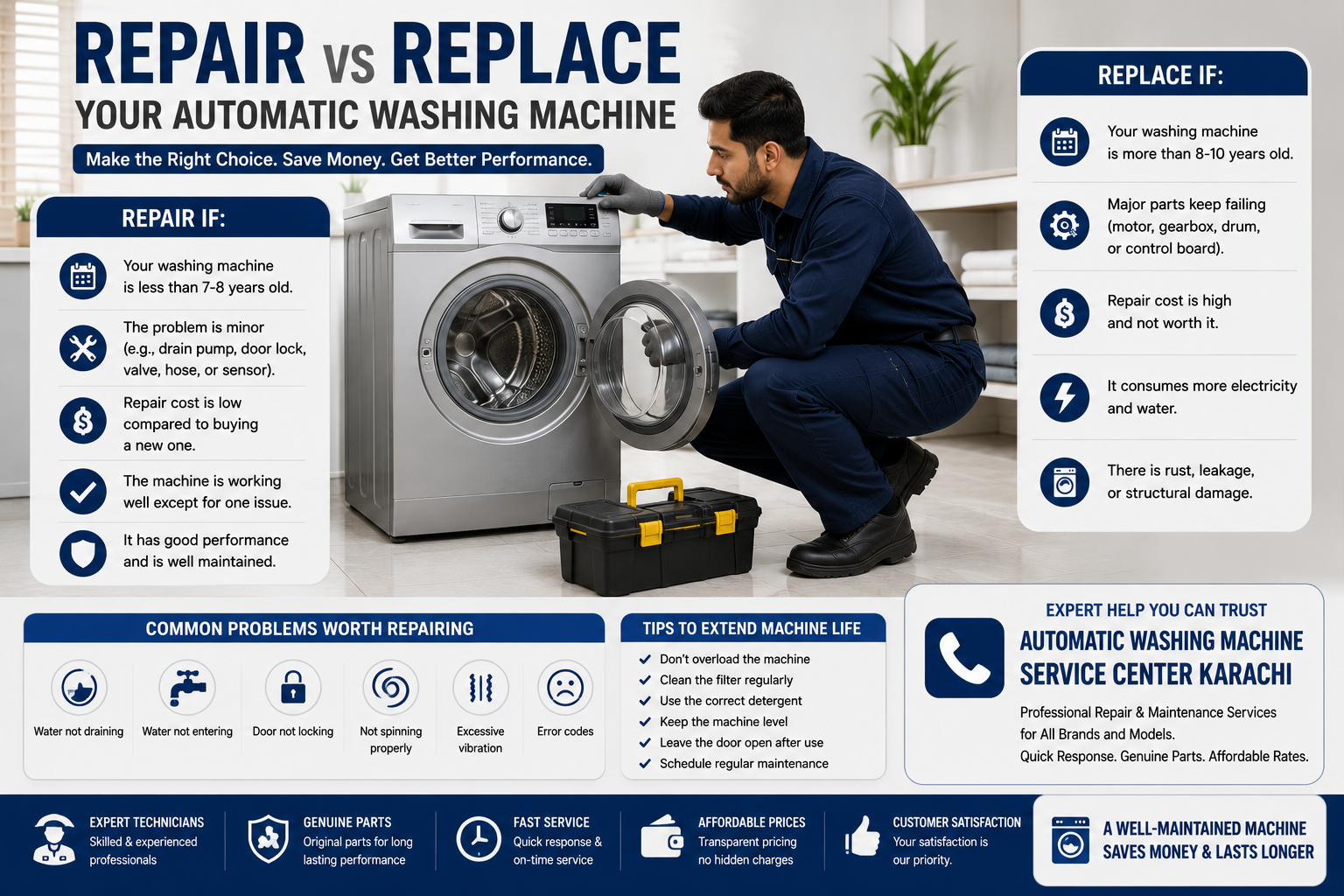
An automatic washing machine is a major part of everyday household life. When it starts making unusual noises, leaking water, stopping during cycles, or...


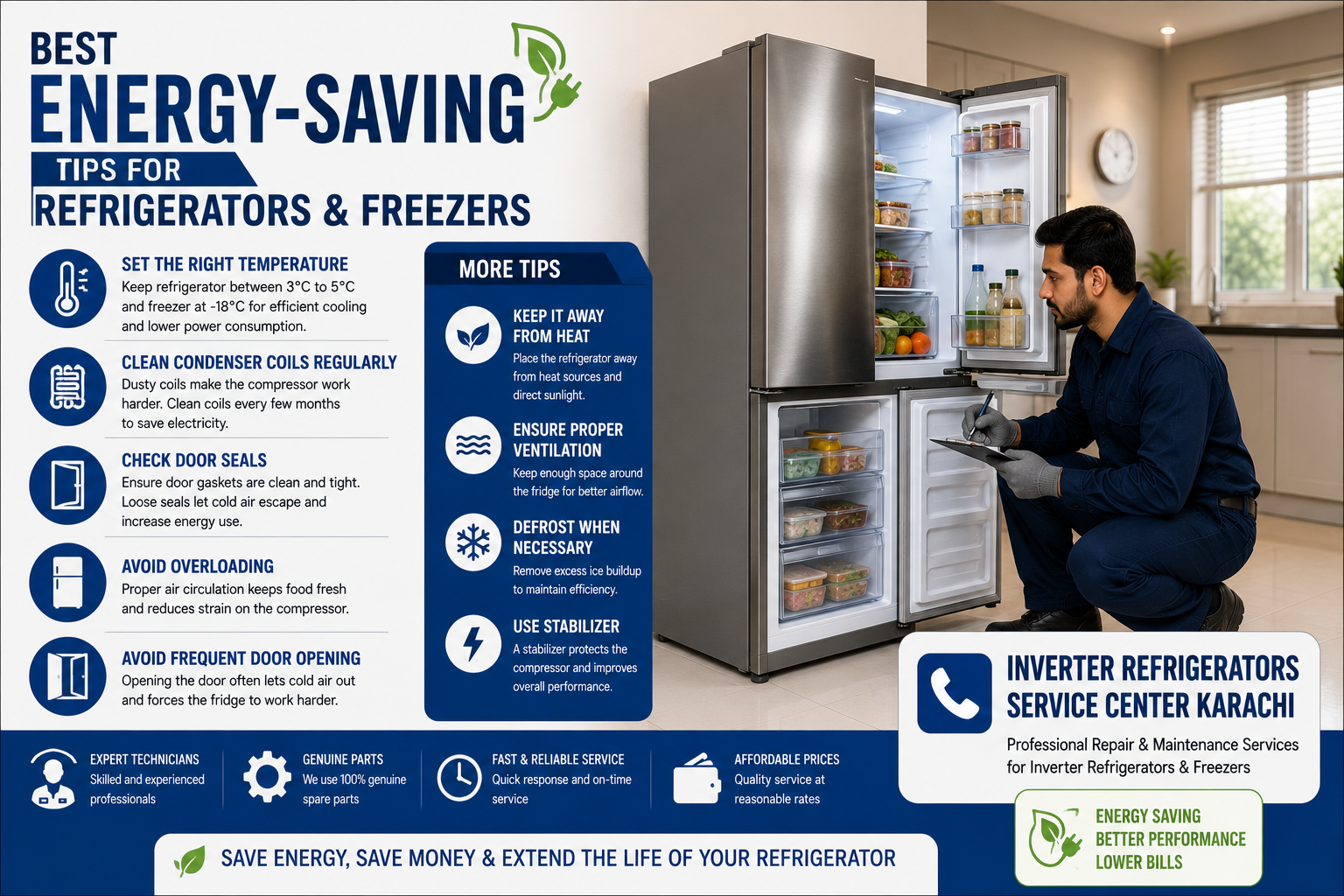
Refrigerators and freezers run continuously, making them some of the most important appliances in any home. Because they operate 24 hours a day, poor maintenance or incorrect settings can lead to unnecessary electricity consumption and higher monthly bills.
The good news is that a few simple habits can make a noticeable difference. From maintaining the right temperature to cleaning condenser coils, proper refrigerator care can improve cooling performance while reducing energy use.
If your inverter refrigerator is consuming unusually high electricity despite proper maintenance, professional inspection from an Inverter Refrigerators Service Center Karachi can help identify hidden problems.
A refrigerator that works efficiently doesn’t need to run continuously to maintain the desired temperature. Dirty coils, damaged door seals, poor ventilation, and incorrect temperature settings can all force the appliance to work harder.
Improving energy efficiency can help you:
One of the easiest ways to save energy is to use appropriate temperature settings.
For most households, the refrigerator compartment can generally be kept around 3°C to 5°C, while the freezer is commonly maintained around -18°C.
Setting the temperature unnecessarily low makes the compressor work harder without providing much additional benefit.
The location of your refrigerator can affect its electricity consumption.
Avoid placing it directly beside:
Excessive heat around the refrigerator makes it harder for the cooling system to release heat, which can increase compressor runtime.
Condenser coils release heat from the refrigerator. When they become covered with dust, the appliance may struggle to cool efficiently.
Clean accessible coils periodically using a soft brush or vacuum cleaner. Always disconnect the appliance from power before performing maintenance that requires accessing internal or rear components.
If the coils are difficult to access or the refrigerator continues running excessively, professional servicing may be appropriate.
A damaged or loose door gasket allows cold air to escape and warm air to enter.
This can cause the compressor to run for longer periods and increase energy consumption.
To check the gasket, inspect it for cracks, gaps, or hardened sections. Clean the rubber seal with a mild cleaning solution and replace it if it no longer seals properly.
Every time you open the refrigerator door, cold air escapes.
Try to decide what you need before opening the door and avoid leaving it open while preparing meals. This simple habit reduces the amount of work required to restore the internal temperature.
Allow freshly cooked food to cool appropriately before placing it in the refrigerator.
Putting very hot food inside introduces additional heat and moisture, forcing the cooling system to work harder.
However, don’t leave perishable food at room temperature for an unsafe length of time. Cool and store food promptly using appropriate food-safety practices.
An overcrowded refrigerator can restrict airflow between shelves and compartments.
Keep enough space around food containers so cold air can circulate properly. At the same time, an almost-empty refrigerator may also experience greater temperature fluctuations because there is less thermal mass.
The goal is a reasonably organized refrigerator with unobstructed air vents.
A well-organized freezer makes it easier to find food quickly, reducing the amount of time the door remains open.
Use properly sealed containers or freezer bags to reduce moisture buildup and keep food organized.
Make sure internal air vents aren’t blocked by packages.
Traditional manual-defrost freezers can develop thick layers of ice that reduce available storage space and make the appliance work harder.
If your freezer isn’t equipped with an automatic defrost system, follow the manufacturer’s instructions for safe defrosting.
Do not use sharp objects to remove ice because they can damage internal components.
Refrigerators need sufficient space around them to release heat.
Avoid pushing the appliance tightly against the wall or blocking ventilation areas. Follow the clearance recommendations provided in the manufacturer’s installation instructions.
Poor ventilation can increase compressor workload and energy consumption.
Inverter refrigerators are designed to adjust compressor speed according to cooling demand rather than simply switching the compressor fully on and off.
To get the best performance:
Avoid frequently changing the temperature setting. A stable setting allows the inverter system to operate more efficiently.
Don’t place large containers directly in front of internal vents. Proper airflow helps distribute cold air evenly.
Although inverter technology is efficient, frequent door opening still introduces warm air and increases cooling demand.
If an inverter refrigerator runs continuously, makes unusual noises, or doesn’t maintain the correct temperature, it may have an underlying issue.
A qualified Inverter Refrigerators Service Center Karachi can inspect components such as the compressor, sensors, fans, thermostat, and control system.
Certain warning signs may indicate that your refrigerator isn’t operating efficiently.
Watch for:
These symptoms don’t always mean the refrigerator itself is faulty. However, they are worth investigating if they continue.
A regular maintenance routine can prevent many energy-related problems.
Don’t ignore persistent cooling problems, excessive noise, water leakage, or unusual compressor operation. Early professional diagnosis can prevent a minor issue from becoming a major repair.
Some refrigerator problems require specialized tools and technical knowledge.
Contact an Inverter Refrigerators Service Center Karachi if your refrigerator:
Professional inspection can help identify the actual cause instead of replacing parts unnecessarily.
Saving energy with your refrigerator doesn’t require complicated changes. Maintaining the correct temperature, cleaning condenser coils, checking door seals, ensuring proper ventilation, and reducing unnecessary door openings can significantly improve everyday efficiency.
For inverter refrigerators, regular maintenance is particularly important because sensors, fans, electronic controls, and the inverter compressor work together to manage cooling demand.
If your appliance continues to consume excessive electricity or doesn’t cool correctly despite basic maintenance, professional diagnosis from an Inverter Refrigerators Service Center Karachi can help restore efficient performance and extend the life of your refrigerator.
A refrigerator is generally recommended to operate around 3°C to 5°C, while a freezer is commonly maintained at approximately -18°C.
Yes. Dust-covered condenser coils can reduce heat transfer efficiency and make the cooling system work harder. Keeping accessible coils clean can help improve efficiency.
Inverter refrigerators can be more energy-efficient because their compressors can adjust operating speed according to cooling demand. Actual energy consumption depends on the model, environment, usage, and maintenance.
If your refrigerator is not cooling properly, runs continuously, makes unusual noises, develops excessive frost, or suddenly consumes more electricity, professional inspection is recommended.
An automatic washing machine is a major part of everyday household life. When it starts making unusual noises, leaking water, stopping during cycles, or...
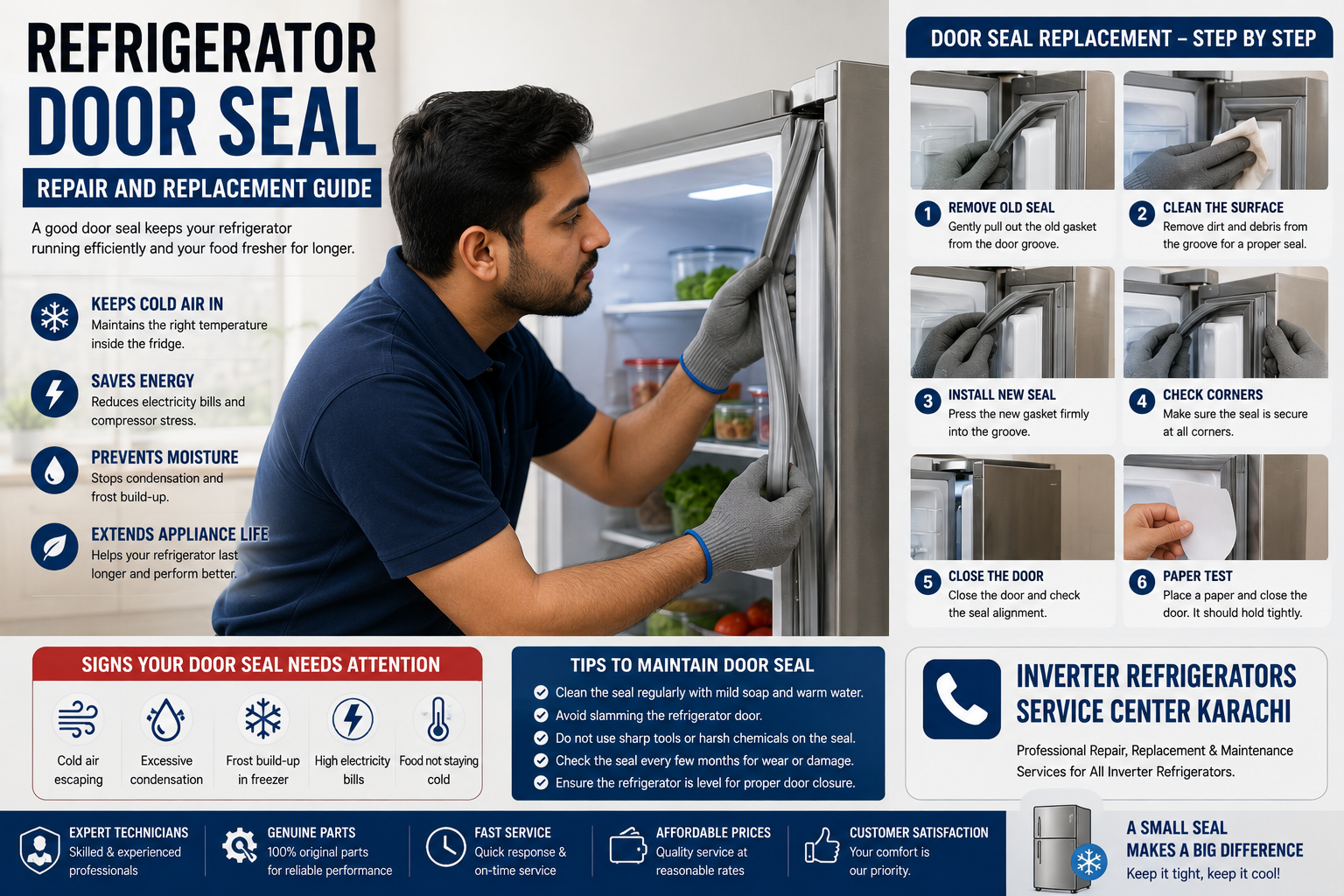
A refrigerator door seal, also called a gasket, plays an important role in keeping cold air inside the appliance. When the seal becomes loose,...

A refrigerator is one of the most important appliances in your home, and when it starts having problems, the big question is: Should you...