
November 20, 2026

Electrolux is a recognized home appliance brand known for products designed to make everyday household tasks easier. Its refrigerators, washing machines, air conditioners, microwave...


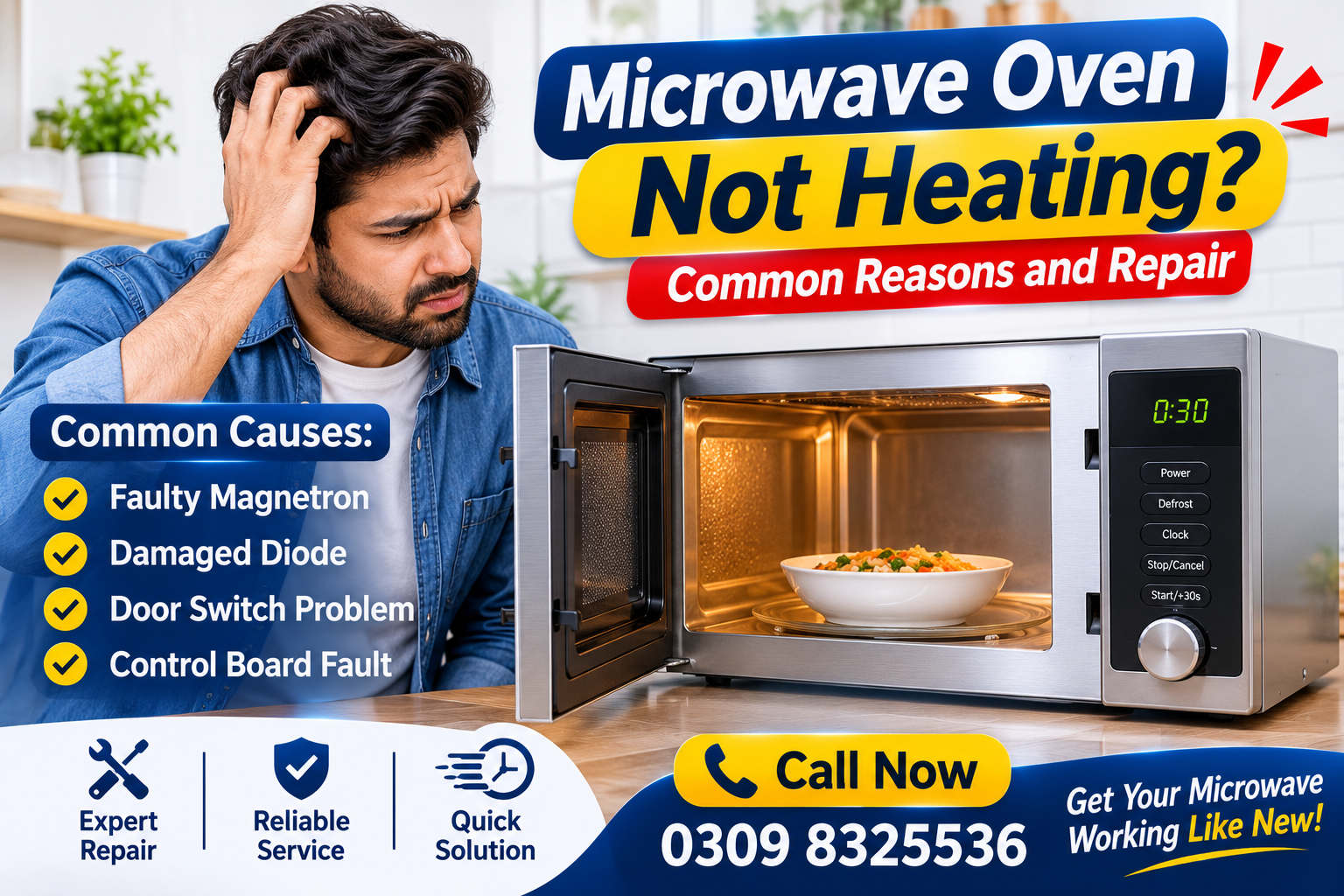
A microwave oven is one of the most useful kitchen appliances for quickly heating food, defrosting frozen items, and preparing meals. However, one common problem is when the microwave turns on, the timer runs, and the plate rotates, but the food remains cold.
If your microwave is running but not heating properly, there may be a problem with its internal components, door switches, or electrical system. Identifying the cause early can help prevent further damage and unnecessary repair costs.
In this guide, we will explain the common reasons for a microwave not heating, possible solutions, warning signs, and when to contact a professional microwave repair technician.
A microwave oven uses electromagnetic energy to heat food. Several internal components work together to generate and control this energy.
If one of these components fails, your microwave may continue running without heating food.
Let’s look at the most common causes.
The magnetron is the main component responsible for generating microwave energy.
When the magnetron becomes damaged or stops working, the microwave may turn on normally but fail to heat food.
A qualified technician can test the magnetron and determine whether it needs replacement. A defective magnetron is a common reason for microwave heating failure.
The high-voltage diode helps the microwave’s electrical system supply the energy required by the magnetron.
If the diode becomes defective, the microwave may stop producing heat.
The high-voltage diode should be inspected and tested by a professional technician. If it is damaged, replacing it may restore normal heating.
Microwave ovens contain safety switches that detect whether the door is properly closed.
If a door switch becomes faulty, the microwave may operate incorrectly or prevent the heating system from working.
A technician can inspect the door switches and latch mechanism and replace damaged components if necessary.
Never bypass microwave door safety switches.
The high-voltage capacitor stores electrical energy needed by the microwave’s heating circuit.
A damaged capacitor can prevent the microwave from producing heat.
The capacitor should be tested and replaced by a qualified microwave technician.
Safety warning: A microwave capacitor can retain a potentially lethal electrical charge even after the appliance has been unplugged. Never open the microwave cabinet or attempt capacitor repair yourself.
Some microwave ovens use a high-voltage transformer to supply power to the heating system.
If the transformer becomes damaged, the magnetron may not receive the required electrical power.
A professional technician can inspect the transformer and related electrical components to determine whether repair or replacement is required.
Sometimes the microwave is not broken at all. Incorrect settings may cause food to heat slowly or remain cold.
For example, defrost mode or a low power setting may not provide enough heating for your food.
If the microwave still does not heat at normal power, it may have an internal fault.
The control board manages the microwave’s timer, cooking programs, power levels, and other functions.
If the board becomes defective, it may fail to activate the heating system properly.
A technician can inspect the control board and its connections. Depending on the fault, repair or replacement may be necessary.
The door latch keeps the microwave door securely closed and works together with safety switches.
If the latch becomes damaged or misaligned, the microwave may not operate correctly.
Check for visible damage around the door and latch. If the mechanism is damaged, professional repair is recommended.
Before booking a repair, you can perform a few safe external checks.
Make sure the microwave is plugged into a suitable electrical outlet.
Check whether the circuit breaker has tripped.
Avoid using damaged sockets or loose electrical connections.
Confirm that the microwave is set to normal cooking mode.
Make sure the power level is not too low and the appliance is not set to defrost.
Check whether the door closes properly.
Look for visible food debris around the door edges that could interfere with closing.
Never operate the microwave if its door, hinges, or locking mechanism is damaged.
Place a microwave-safe cup containing water inside the microwave.
Run a short heating cycle at normal power.
If the water remains cold, stop using the appliance and arrange professional inspection.
Never operate a microwave empty.
When your microwave turns on but does not heat, it usually means some basic functions are working while the heating system may have a problem.
For example, the interior light, display, fan, and turntable may operate normally even when the magnetron or another high-voltage component has failed.
Possible causes include:
A professional technician can test the appliance and identify the exact cause.
Microwave repair costs depend on the appliance’s brand, model, faulty component, spare parts availability, and technician charges.
Common repair requirements include:
Before approving a repair, request a proper inspection and estimate.
For older microwaves, compare the repair cost with the price of a new appliance to decide whether repair is worthwhile.
Some microwave problems require professional diagnosis and should not be handled through DIY electrical repairs.
Contact a qualified technician if:
Microwaves contain high-voltage components that can remain dangerous even after unplugging. Avoid removing the outer cover or touching internal electrical components.
Proper use and regular cleaning can help extend the life of your microwave oven.
Clean food spills and grease regularly to prevent buildup and unpleasant smells.
Always use containers designed for microwave cooking. Avoid metal utensils unless specifically permitted by the manufacturer.
Operating an empty microwave can damage its magnetron.
Do not block the ventilation openings. Proper airflow helps prevent overheating.
Avoid slamming the microwave door, as this can damage the latch and safety switches.
If your microwave starts heating slowly, making unusual noises, or operating inconsistently, arrange a professional inspection before the problem gets worse.
A microwave not heating food can be caused by several problems, including a faulty magnetron, damaged high-voltage diode, defective capacitor, faulty door switches, or control board issues.
Start with simple external checks, such as the power supply, cooking settings, and door condition. If your microwave still does not heat, avoid opening the appliance or attempting internal electrical repairs.
Professional diagnosis is the safest way to identify the problem and restore your microwave’s heating performance.
Regular cleaning, proper usage, and timely maintenance can help your microwave operate efficiently for longer.
This may be caused by a faulty magnetron, damaged high-voltage diode, defective capacitor, faulty door switches, or control board problems. A professional inspection can identify the exact cause.
Yes. Many microwave heating problems can be repaired by replacing defective components, such as the magnetron, diode, door switches, or other faulty parts. Repair depends on the appliance’s condition and cost.
Microwave repair costs depend on the brand, model, faulty component, spare parts, and labor charges. A technician should inspect the appliance before providing an accurate estimate.
It is better to stop using a microwave that is not heating properly until the problem is diagnosed. If you notice sparks, smoke, a burning smell, damaged doors, or electrical problems, unplug it if safe and arrange professional repair.
Electrolux is a recognized home appliance brand known for products designed to make everyday household tasks easier. Its refrigerators, washing machines, air conditioners, microwave...

Toshiba is a well-known electronics and home appliance brand offering products designed for everyday convenience. Toshiba appliances, including refrigerators, washing machines, air conditioners, microwave...

Dawlance is one of the most popular home appliance brands in Pakistan, known for its refrigerators, washing machines, air conditioners, microwave ovens, and other...