
November 20, 2026

Electrolux is a recognized home appliance brand known for products designed to make everyday household tasks easier. Its refrigerators, washing machines, air conditioners, microwave...


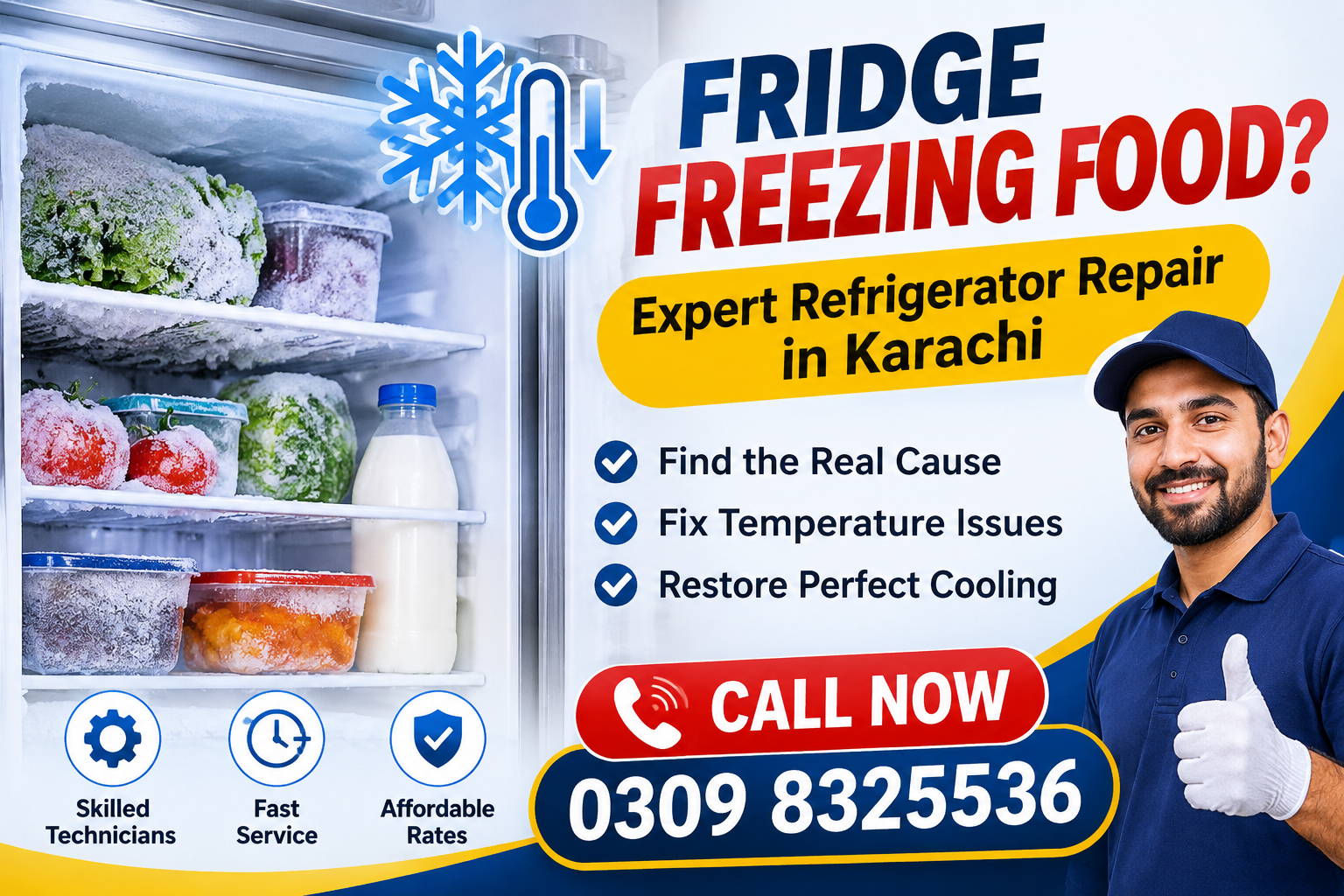
Have you noticed that your vegetables, milk, fruits, and other foods are freezing inside your refrigerator even when you have not placed them in the freezer? This is a common refrigerator problem that can affect food quality, increase energy consumption, and make everyday food storage inconvenient.
If your fridge is freezing food, the cause could be an incorrect temperature setting, blocked air vents, a faulty thermostat, or a problem with the refrigerator’s temperature sensor. In some cases, the issue may involve the damper, control board, or another internal component.
In this guide, we explain why refrigerators over-freeze food, how to identify common causes, and what you can do to restore the correct temperature.
A refrigerator should keep fresh food cold without freezing it. When the temperature inside the fresh-food compartment drops too low, items such as lettuce, tomatoes, eggs, and milk may develop ice crystals or become partially frozen.
The problem can occur in different refrigerator types, including inverter refrigerators, frost-free models, and side-by-side refrigerators.
Understanding the cause can help you decide whether a simple adjustment will solve the problem or whether professional refrigerator repair is necessary.
One of the most common reasons a refrigerator freezes food is an excessively low temperature setting.
If the thermostat is set too cold, the compressor may continue cooling the compartment beyond the temperature needed to preserve fresh food.
This can happen after someone accidentally changes the controls or when the refrigerator is adjusted during hot weather.
If food continues freezing after the temperature has stabilized, another component may be responsible.
Many refrigerators circulate cold air from the evaporator through vents inside the compartments. If food containers block these vents, the airflow may become uneven.
Items placed directly in front of a cold-air outlet can freeze even when the overall refrigerator temperature seems reasonable.
Rearrange food containers to leave space around the air vents. Avoid pushing items against the rear wall, where cold surfaces or air outlets may cause localized freezing.
Do not overload the refrigerator. Good airflow helps maintain a more consistent temperature throughout the compartment.
The thermostat helps regulate the refrigerator’s cooling cycle. If it fails or provides inaccurate readings, the appliance may continue cooling when it should stop.
A faulty thermostat can cause the refrigerator to become excessively cold, potentially freezing food on several shelves.
First, verify the temperature setting and make sure the vents are not blocked. If the problem continues, ask a qualified technician to inspect the thermostat or temperature-control system.
The correct repair depends on the refrigerator model, as many modern appliances use electronic sensors instead of a traditional mechanical thermostat.
Modern refrigerators often use temperature sensors to monitor conditions inside the appliance. These sensors send information to the control system, which adjusts cooling operation.
If a sensor provides incorrect readings, the refrigerator may believe that the compartment is warmer than it really is. As a result, it may continue cooling unnecessarily.
A technician can test the sensor, its wiring, and the related control circuitry. If the sensor is defective, replacement may restore normal temperature regulation.
Avoid replacing parts based only on symptoms because a wiring fault or control-board problem can produce similar behavior.
In some refrigerators, an air damper controls how much cold air moves from the freezer into the fresh-food compartment.
If the damper becomes stuck open or fails to regulate airflow correctly, excessive cold air may enter the refrigerator section.
This can cause food near the air outlet to freeze while other areas remain at a more normal temperature.
Check that food is not obstructing the air outlet. If the problem persists, a technician may need to inspect the damper mechanism and its controls.
Not all refrigerator designs use the same damper arrangement, so diagnosis should be based on the particular model.
Condenser coils release heat from the refrigerator’s cooling system. When dust builds up on accessible coils, heat transfer can become less efficient.
Dirty coils do not usually cause over-freezing directly, but they can affect the appliance’s operating performance and may contribute to other cooling problems.
If the refrigerator continues freezing food after cleaning, investigate the temperature controls and airflow system.
A damaged door gasket allows warm, humid air to enter the refrigerator. This can cause temperature fluctuations and make the appliance work harder to maintain its internal temperature.
Although a faulty seal does not usually cause over-freezing by itself, it can contribute to inconsistent cooling and frost formation.
Inspect the rubber door gasket for cracks, gaps, dirt, or loose sections. Clean it with a soft cloth and a suitable mild cleaning solution.
Make sure containers are not preventing the door from closing properly. If the seal is damaged or deformed, arrange a replacement.
The electronic control board coordinates various refrigerator functions, including compressor operation, fan speed, and temperature regulation.
If the board develops a fault, the refrigerator may cool excessively or fail to respond correctly to temperature adjustments.
A qualified technician should inspect the control system and test the relevant components before recommending a repair.
Replacing a control board without proper testing can be expensive and may not resolve the underlying issue.
Sometimes, the refrigerator is working normally, but certain foods are positioned where they receive too much cold air.
Items placed against the rear wall or directly beside an air vent may freeze before the rest of the compartment becomes too cold.
If only a few items are freezing in one location, check their placement before assuming that a component has failed.
If your refrigerator is freezing everything, follow these steps before arranging a repair.
Set the fresh-food compartment to approximately 3°C to 4°C and monitor the temperature with a thermometer.
Move food away from the rear wall and cold-air vents. Avoid overloading the shelves.
Make sure the door closes completely and the gasket is clean and undamaged.
If the manual permits it, clean accessible condenser coils according to the manufacturer’s instructions.
Allow enough time for the refrigerator to stabilize after making adjustments. Check whether the temperature remains within the recommended range.
If food continues freezing, the temperature is difficult to control, or an error code appears, arrange professional inspection.
Do not remove electrical covers or attempt to repair sensors, control boards, or refrigerant-system components yourself.
Regular care can help reduce temperature problems and protect your food.
If your refrigerator is used heavily in Karachi’s hot weather, keeping the surrounding area properly ventilated can also help it release heat effectively.
Basic adjustments may solve problems caused by incorrect settings or blocked airflow. However, professional repair may be necessary if:
A technician can test the refrigerator’s cooling system and identify the actual cause before replacing parts.
A fridge freezing food is often caused by an incorrect temperature setting, blocked air vents, or food placed too close to a cold-air outlet. However, persistent over-freezing may indicate a faulty thermostat, temperature sensor, air damper, or electronic control system.
Start with simple checks, set the fresh-food compartment to the recommended temperature, and improve airflow around stored items. If the problem continues, professional diagnosis can help prevent unnecessary repairs and restore normal cooling.
Maintaining the correct refrigerator temperature helps protect food quality, reduce waste, and keep your appliance working reliably.
The control may be set incorrectly, or the refrigerator may have a faulty temperature sensor, thermostat, or air damper. Check the manual and monitor the actual temperature before arranging professional diagnosis.
For many refrigerators, approximately 3°C to 4°C is suitable for the fresh-food compartment. The freezer should generally be around -18°C. Always follow the manufacturer’s recommendations for your model.
The rear wall may be close to a cold-air outlet or cooling surface. Move food slightly forward, keep vents clear, and check whether the problem affects other areas of the refrigerator.
Yes. A faulty thermostat or temperature sensor may fail to regulate cooling correctly, allowing the refrigerator to become too cold. A technician can test the control system and determine whether a component needs replacement.
Electrolux is a recognized home appliance brand known for products designed to make everyday household tasks easier. Its refrigerators, washing machines, air conditioners, microwave...

Toshiba is a well-known electronics and home appliance brand offering products designed for everyday convenience. Toshiba appliances, including refrigerators, washing machines, air conditioners, microwave...

Dawlance is one of the most popular home appliance brands in Pakistan, known for its refrigerators, washing machines, air conditioners, microwave ovens, and other...